Traffic counter
A loop under the tarmac notices every vehicle that passes on our road. It has been counted since 2003, and since December 2018 every single passing is logged with its time.
A typical week
Vehicles per hour, average over the last 52 weeks
The last 60 days
Vehicles per day; shaded columns are weekends
Month by month
Vehicles per month, every year since 2019 on top of each other: summer is busiest
Show as a table
Year by year
Vehicles per year. Before 2018 the count ran from 1 April to 31 March.
Records
Since December 2018
How it works
Since November 2026
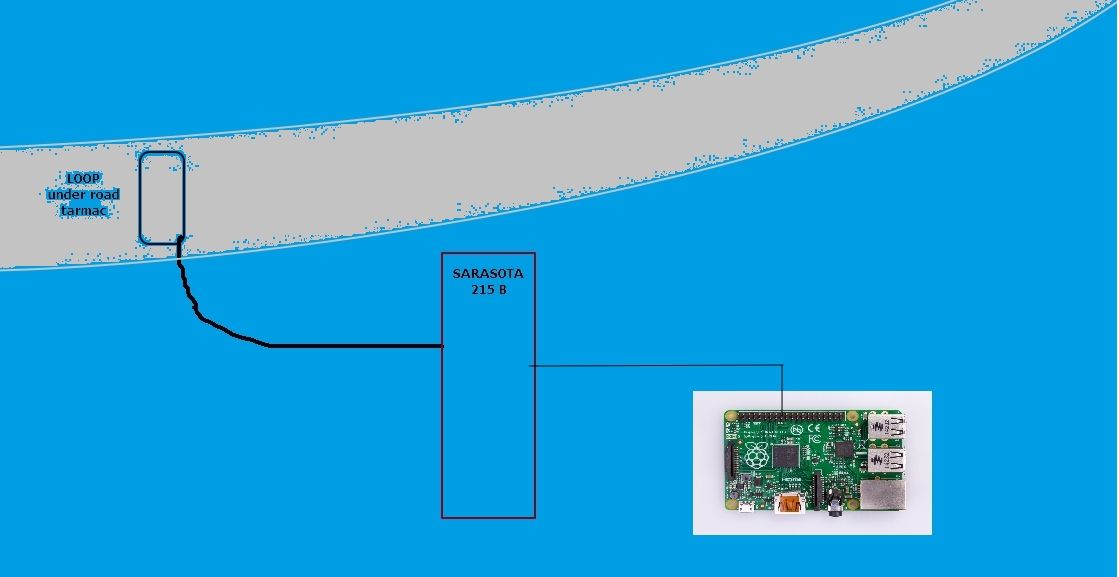
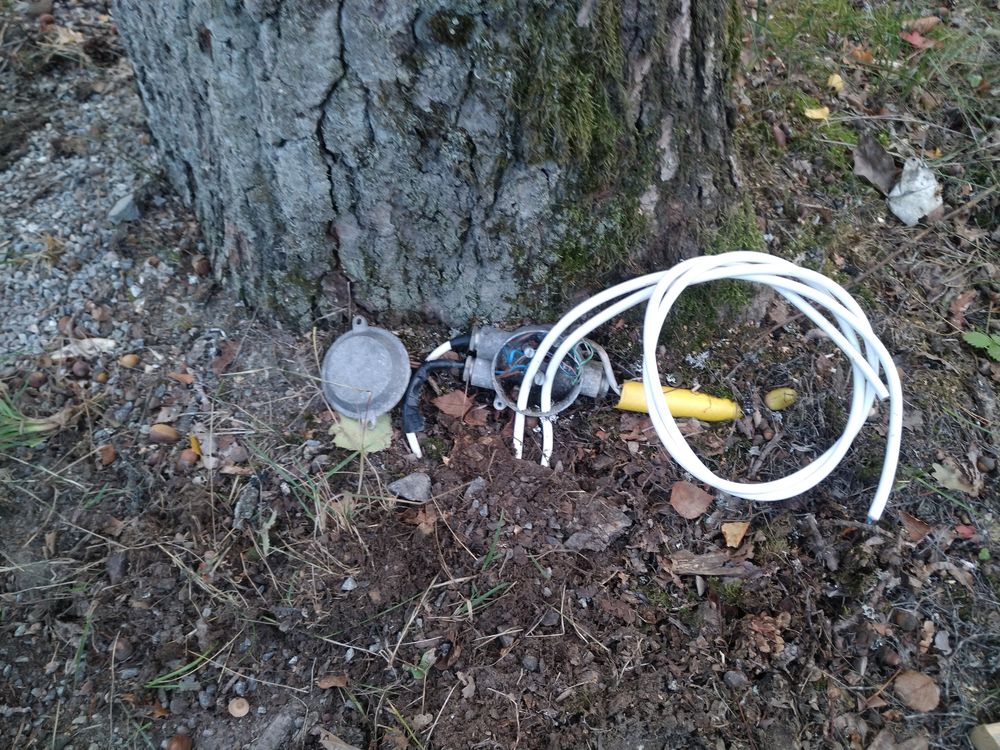
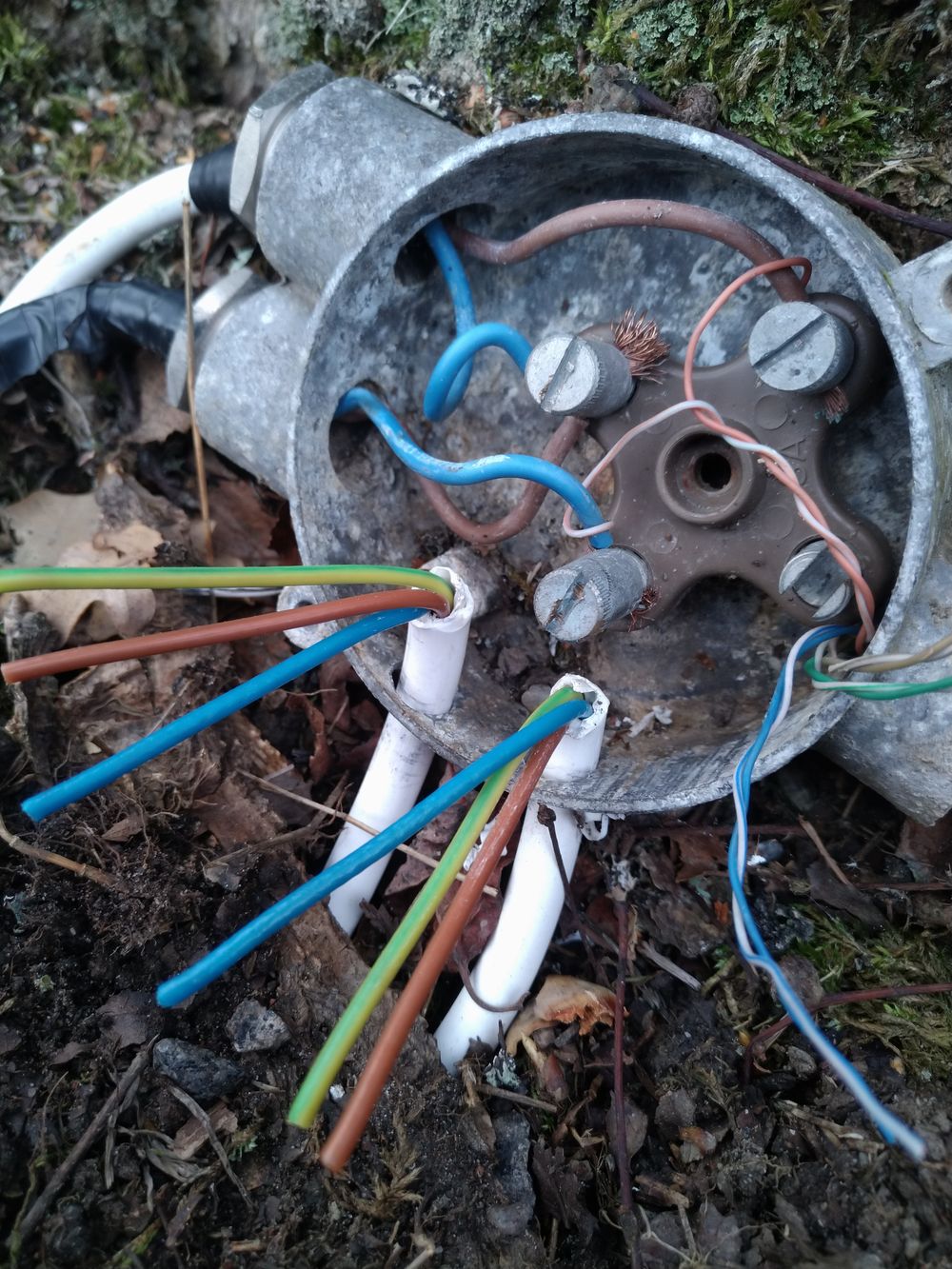
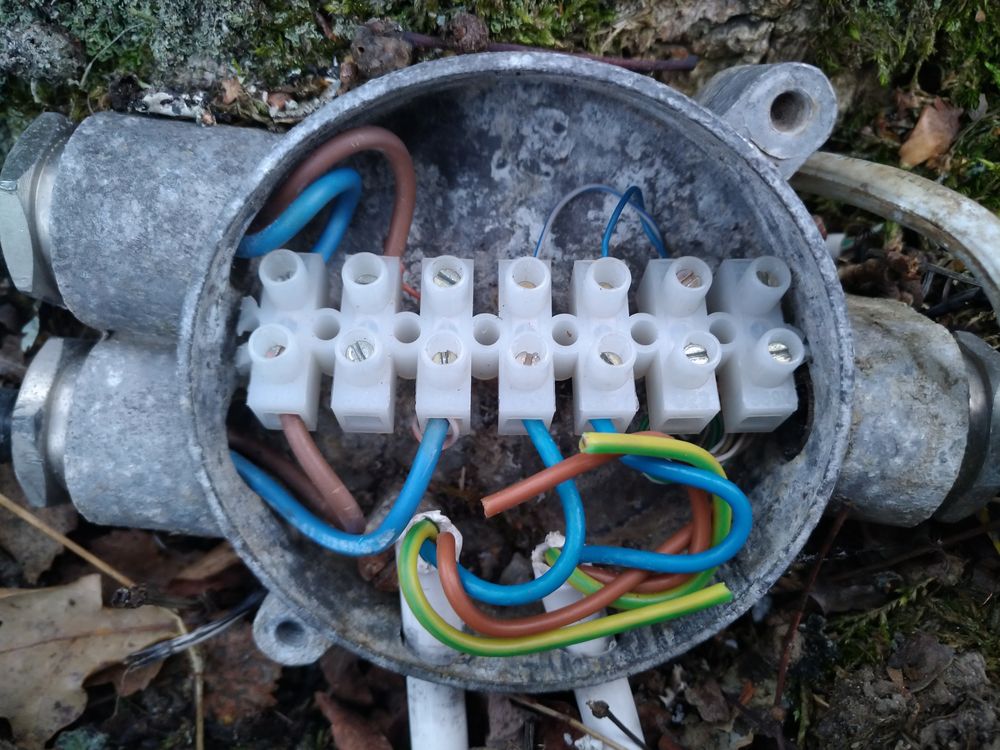
- The loop. Wire laid under the tarmac. Every car changes the loop's inductance as it passes over it.
- The detector, a Sarasota 215B fed through a 240 to 120 VAC transformer, notices the change and closes a relay for as long as the vehicle is over the loop.
- The counter is a Wemos D1 mini (ESP8266, a WiFi microcontroller the size of a stamp). It counts each relay closing, ignoring spikes shorter than 50 ms and anything within 2 s of the last vehicle, stamps it with the exact time and sends it over WiFi. If the network is down it keeps up to 600 vehicles and sends them later with their real times.
- The server stores every vehicle in a database, confirms each one back to the counter, and writes the figures on this page. On the 1st of every month it adds last month's summary.
- Home Assistant listens too, and flashes a yellow lamp indoors for every vehicle.
Three LEDs on the counter
The original build, 2018
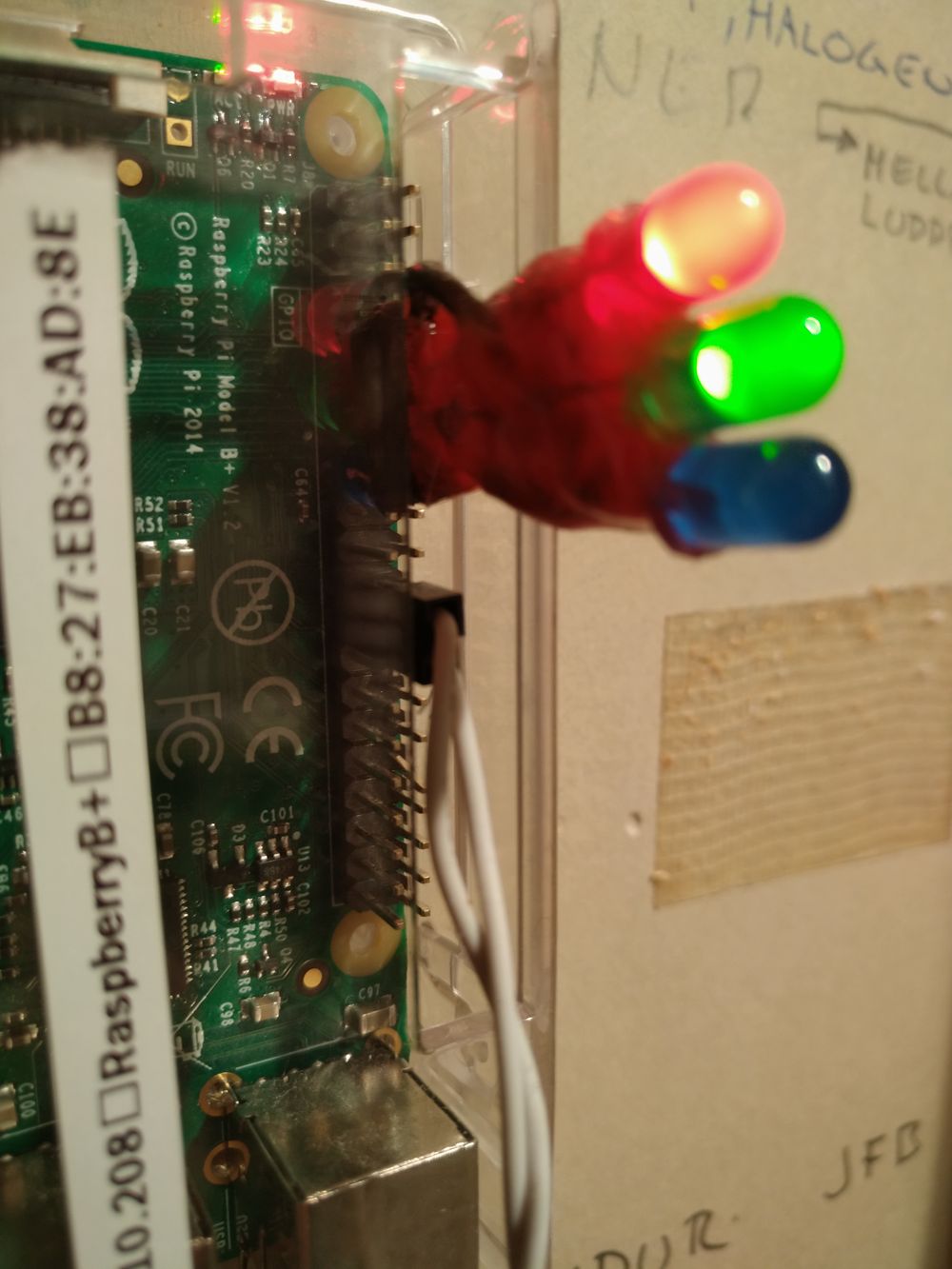
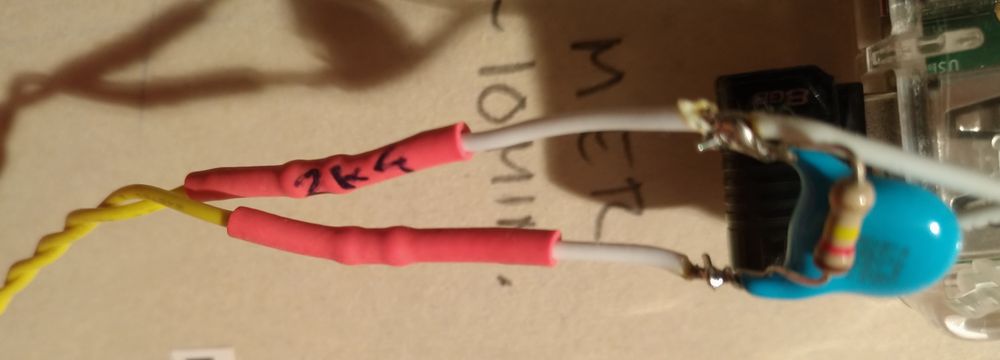
From December 2018 to November 2026 a Raspberry Pi B+ did the counting. The loop and the detector are still the same.
With two loops a known distance apart on the same road, the counter could in theory work out each vehicle's speed. The Pi's Python program · All monthly summaries as text · The page as it was in 2018